How Tile Roof Installation Handles Heat, Wind, and Weather
People seeking tile roof installation often want durable protection against heat, wind, and weather, and local contractors can ensure proper installation to handle these challenges effectively.
Property owners exploring tile roof installation often want to understand how these durable roofs handle the challenges posed by heat, wind, and weather. With the right installation, tile roofs can provide reliable protection, helping to keep homes cooler during hot months and resisting damage from strong winds or heavy storms. Since weather conditions vary across the area, it's important to work with local contractors experienced in installing tile roofs that stand up to these elements, ensuring long-lasting performance and peace of mind.
Choosing the right tile roof installation involves more than just the material itself; it’s about how the roofing system is designed and installed to withstand local weather patterns. Skilled local service providers know how to adapt their techniques to optimize resistance against heat, wind, and unpredictable weather changes. This expertise helps property owners maintain the integrity of their roofs, reducing the risk of damage over time and ensuring that their investment continues to protect the home effectively.
- Tile roof installation - homeowners considering how tile roof installation handles heat, wind, and weather may seek local contractors experienced in durable, weather-resistant roofing solutions.
- Tile roof installation - those living in areas prone to high winds or storms might look for local pros who specialize in securing tile roofs against wind uplift and weather damage.
- Tile roof installation - clients wanting to improve their home's ability to handle extreme temperatures often turn to local service providers skilled in installing heat-reflective and insulating tile systems.
- Tile roof installation - property owners needing a long-lasting roof that withstands weather fluctuations may contact local contractors experienced in weatherproofing tile roofing.
- Tile roof installation - individuals concerned about how tile roof installation handles heat, wind, and weather can find local pros who tailor installation techniques to optimize weather resistance.

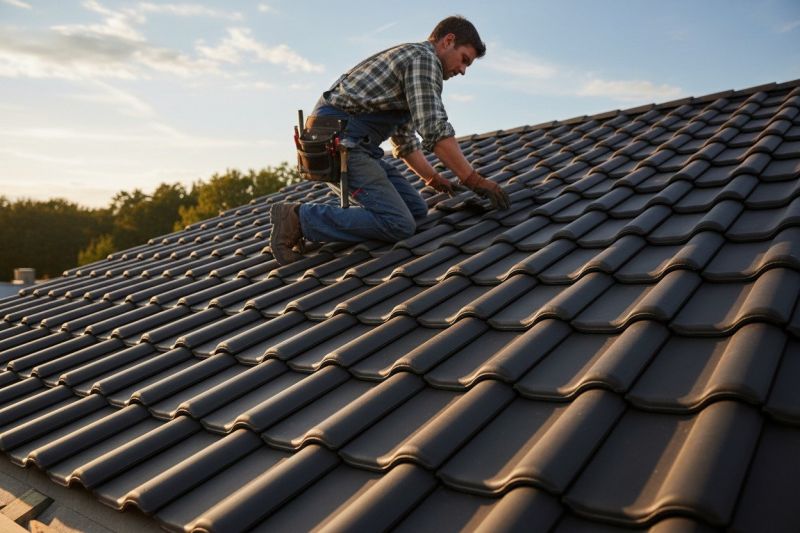

Understanding how tile roof installation handles heat, wind, and weather is a common concern among homeowners planning to upgrade or install a new roof. Many people searching this topic want to know how durable and resilient tile roofs are in extreme conditions, especially in areas prone to high temperatures, strong winds, or heavy storms. The focus often centers on whether tile roofing can withstand the natural elements without cracking, shifting, or sustaining damage over time. This information is crucial for homeowners who are making decisions about roofing materials that will provide long-lasting protection and maintain the property's value, especially in climates with intense weather patterns.
The issues related to heat, wind, and weather in tile roof installation are often tied to specific problems or planning considerations. For example, high temperatures can cause expansion and contraction in roofing materials, which might lead to cracking or loosening if not properly installed. Wind resistance is another key factor, as tiles need to be securely anchored to prevent uplift during storms. Heavy rain, hail, and other weather events can also impact the integrity of a tile roof if the installation isn’t designed with proper underlayment and flashing. Homeowners may also be exploring plans for replacing or upgrading an existing roof to improve its resilience against these elements, or they may be considering new construction that requires a weather-resistant roofing solution.
Properties that typically come up in discussions about handling weather with tile roofing include residential homes, especially those in areas with hot summers or frequent storms. Commercial buildings, such as retail centers or office complexes, may also be considered, particularly if they are located in regions where weather extremes are common. In addition, properties situated on exposed lots or in open landscapes tend to require roofs that can endure high winds and temperature fluctuations. Local service providers often have experience working with these types of properties, ensuring that the tile roof installation is tailored to withstand the specific weather challenges of each location.
When homeowners look into how tile roof installation handles heat, wind, and weather, they often seek guidance from local contractors who understand the regional climate and building codes. These professionals can recommend appropriate tile styles, fastening systems, and underlayment materials designed to enhance durability. Proper installation by experienced service providers ensures that the roof performs well under adverse conditions, providing peace of mind and protecting the property over the years. For those considering a tile roof, connecting with local experts can help clarify how the installation process addresses weather-related concerns and what measures are taken to ensure the roof’s resilience against heat, wind, and storms.
Metal roofing projects - local contractors skilled in metal roofing can demonstrate how their installations withstand heat and wind, similar to tile roof installation handling weather challenges.
Slate roof replacement - professionals experienced in slate roofing understand the importance of durable materials that resist weather elements, paralleling tile roof installation techniques.
Shingle roofing services - local service providers specializing in shingle roofs can showcase their expertise in managing wind and weather impact, comparable to tile roofing methods.
Flat roof installation - experts in flat roofing systems often address weather resistance and drainage, offering insights aligned with tile roof installation's approach to weather handling.
Weatherproofing and sealing projects - specialists in sealing work focus on protecting roofs from weather elements, similar to how tile roof installation manages heat and wind.
Roof ventilation upgrades - local contractors improving ventilation understand how airflow impacts weather resilience, which relates to the strategies used in tile roof installation to handle heat and wind.
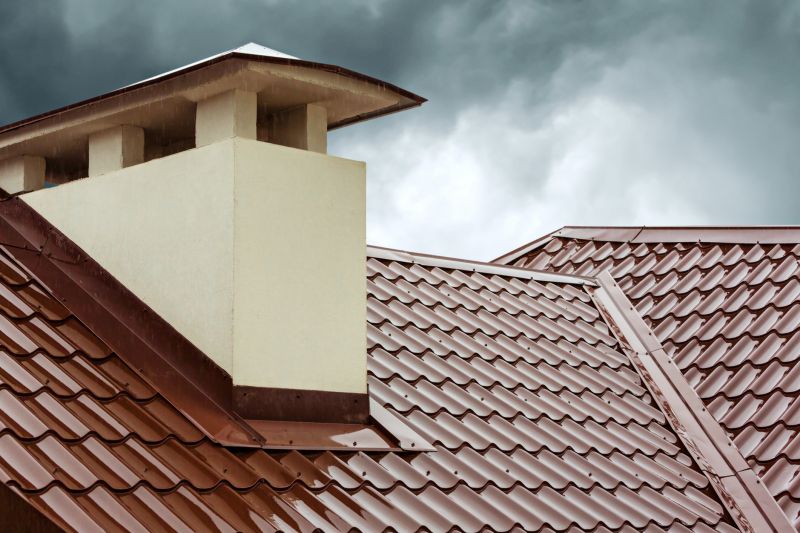
When evaluating tile roof installation services, it is important to consider a contractor's experience with similar projects, especially those that involve handling challenging weather conditions like heat and wind. Homeowners should seek out service providers who have a proven track record of installing tile roofs that perform well under local climate stresses. Asking about past projects can help determine if a contractor has the practical knowledge needed to ensure the roof’s durability and effectiveness in managing temperature fluctuations and high wind situations. Reputable local contractors will be transparent about their experience and able to provide details that demonstrate their familiarity with weather-resistant tile roofing systems.
Clear written expectations are essential when comparing tile roof installation services. Homeowners should look for service providers who can articulate the scope of work, materials used, and the specific methods employed to address weather-related concerns. A detailed project outline helps ensure that both parties understand the responsibilities involved in creating a roof capable of handling heat, wind, and other weather elements. Good communication and precise documentation also make it easier to review progress and address any issues that may arise during installation, leading to a smoother process and a more reliable final result.
Reputable references and strong communication are key indicators of a dependable tile roof installation service. Homeowners should seek out local contractors who can provide references from previous clients with similar weather conditions or project requirements. These references can offer insights into how well the installed roofs have performed over time, especially in terms of weather resistance. Additionally, open and responsive communication from the service provider helps ensure that questions about weather handling and installation techniques are thoroughly answered. This level of transparency and engagement can give confidence that the contractor understands the importance of a durable, weather-resistant tile roof and is committed to delivering quality work.
Property owners often search for how tile roof installation handles heat, wind, and weather when they are planning practical projects around their homes and businesses. Local pros provide Tile Roof Installation services for everyday jobs and straightforward project options.
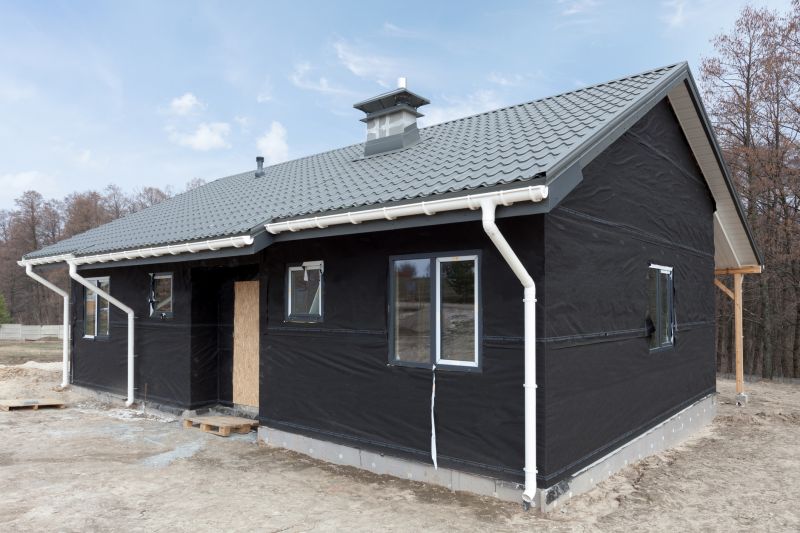

Tile roof installation is known for its durability and ability to handle various weather conditions common in the area. When properly installed by experienced local contractors, tile roofs can effectively resist the intense heat that can cause other roofing materials to warp or deteriorate over time. Additionally, their sturdy construction helps withstand strong winds, reducing the risk of damage during storms. Property owners often seek out tile roof installation services to ensure their roofs provide reliable protection against the unpredictable weather patterns they face regularly.
In everyday situations, a well-installed tile roof can also offer peace of mind during heavy rain or hail, as the materials are designed to shed water efficiently and resist impact. Local service providers understand how to install tile roofs that can adapt to the local climate, ensuring they remain resilient through seasonal changes. Property owners considering tile roof installation might look into local contractors who specialize in weather-resistant roofing solutions, helping to safeguard their homes from the challenges posed by heat, wind, and other weather elements.
How does tile roof installation handle heat? Tile roofs are designed to reflect and absorb heat efficiently, helping to keep indoor spaces cooler. Local contractors often use specific installation techniques and materials that improve thermal performance, ensuring the roof maintains its insulating properties under high temperatures.
Can a tile roof withstand strong winds? Yes, when properly installed by local pros, tile roofs are highly resistant to wind damage. They are secured with specialized fasteners and underlayment that help prevent tiles from lifting or breaking during storms or high wind events.
How does tile roof installation address weather-related challenges? Tile roofs are durable against various weather conditions, including rain, snow, and hail. Experienced service providers ensure proper sealing and underlayment, which helps prevent leaks and withstand harsh weather over time.
Are there specific installation features that improve resistance to weather? Yes, local contractors often incorporate features like weather-resistant underlayment and proper tile fastening techniques, which enhance the roof’s ability to handle extreme weather and prevent damage from environmental factors.
What role do local pros play in ensuring tile roofs handle weather effectively? Local service providers bring expertise in installing tile roofs that are tailored to regional weather patterns, ensuring the roofing system is optimized for heat, wind, and other weather challenges specific to the area.
Durability against heat - Local contractors can install tile roofs with materials that resist high temperatures, helping property owners maintain a comfortable indoor environment during hot days.
Wind resistance strategies - Service providers can secure tiles with appropriate fastening techniques to prevent damage or dislodging during strong wind events.
Weatherproofing techniques - Local pros can incorporate proper underlayment and sealing methods to protect against rain, snow, and other weather elements.
Design considerations for weather handling - Experts can advise on roof slope and tile placement to optimize airflow and drainage, enhancing the roof’s ability to handle various weather conditions.
If you are thinking about how tile roof installation handles heat, wind, and weather for a property, this guide is meant to help you understand this topic, the typical project types, and how different options might fit your plans.
When you are ready, you can use the quote form on this page to share a few details about your project. From there, local pros can review the basics and follow up with options that match what you have in mind.